Understanding Tramadol as a Sleeping Aid: Risks and Alternatives
Tramadol, a prescription medication primarily used for pain management, has garnered attention for its off-label use as a sleeping aid. Although it is not specifically indicated for sleep disorders, some individuals have turned to tramadol for its sedative properties. However, using Sleeping Pills Tramadol aid comes with significant risks, and its use should be carefully considered.
What is Tramadol?
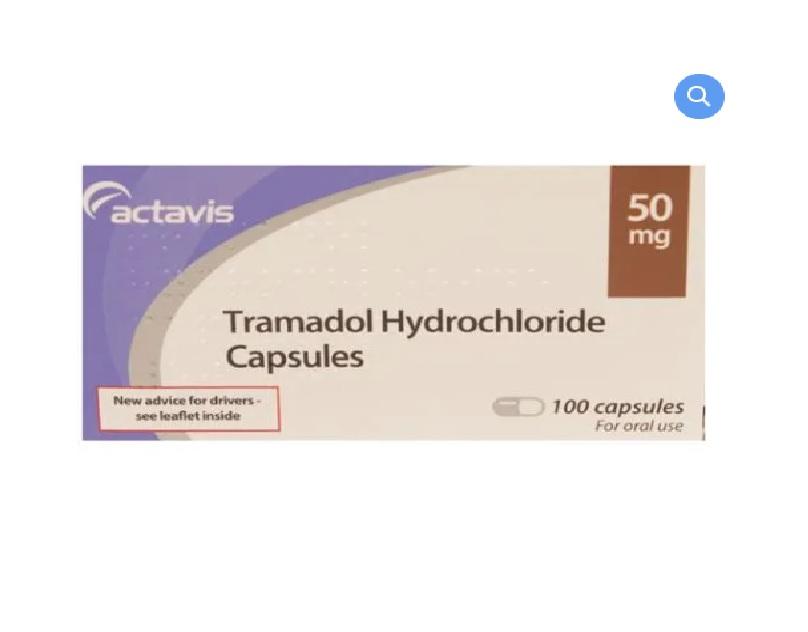
Tramadol is a synthetic opioid analgesic that works by altering the way the brain and nervous system respond to pain. It is commonly prescribed for moderate to severe pain relief, such as after surgery or for chronic conditions like arthritis. Tramadol can affect both the opioid receptors in the brain and the neurotransmitters that regulate pain, such as serotonin and norepinephrine. This dual-action mechanism can also produce feelings of relaxation and drowsiness, which may lead some to believe it could be useful for sleep.
The Risks of Using Tramadol as a Sleeping Pill
Although tramadol may have a sedative effect, it is not intended or approved as a sleeping pill. Misusing tramadol for sleep purposes can be dangerous for several reasons:
Addiction and Dependence: Tramadol, like other opioids, carries a risk of addiction and dependence. When used regularly for sleep, individuals may develop a tolerance, requiring higher doses to achieve the same sedative effects. This can lead to physical dependence, where the body becomes reliant on the drug to fall asleep.
Side Effects: Common side effects of tramadol include dizziness, nausea, headache, and constipation. When used to aid sleep, these side effects can be more pronounced, leading to poor sleep quality and a risk of harm due to impaired coordination or cognitive function.
Respiratory Depression: Tramadol can slow down breathing, particularly in high doses. This can be extremely dangerous, especially when combined with other substances that depress the respiratory system, such as alcohol or benzodiazepines. Respiratory depression can lead to severe complications, including overdose and death.
Drug Interactions: Tramadol interacts with a wide range of medications, including antidepressants, antipsychotics, and other central nervous system depressants. Combining tramadol with these medications can increase the risk of life-threatening side effects, such as serotonin syndrome, a condition caused by excessive serotonin in the brain.
Safer Alternatives for Sleep
While tramadol may seem like an effective way to manage sleep issues, there are safer, more appropriate alternatives for treating sleep disorders.
Cognitive Behavioral Therapy for Insomnia (CBT-I): CBT-I is a structured therapy that helps individuals identify and change negative thoughts and behaviors that contribute to insomnia. It is widely regarded as one of the most effective long-term treatments for sleep problems.
Over-the-Counter Sleep Aids: Medications like melatonin or antihistamines (e.g., diphenhydramine) are commonly used to promote sleep. These are generally safer options, but they should be used with caution and under the guidance of a healthcare provider.
Lifestyle Modifications: Improving sleep hygiene is a fundamental approach to addressing sleep issues. This includes maintaining a regular sleep schedule, limiting caffeine and alcohol intake, and creating a comfortable sleep environment.
Prescription Sleep Medications: For individuals who need prescription treatment, medications such as zolpidem (Ambien) or eszopiclone (Lunesta) may be prescribed. These medications are specifically designed for sleep and have a lower risk of dependence compared to opioids like tramadol.
Conclusion
Tramadol is not a safe or recommended solution for sleep disorders. While its sedative effects may provide temporary relief, the risks associated with its misuse far outweigh any potential benefits. If you are struggling with sleep, it is important to consult with a healthcare provider to explore safer and more effective treatment options. Sleep is crucial for overall health, and there are many resources available to help manage and improve sleep quality without resorting to dangerous substances.
For More Info:


Comments
Post a Comment